
 Potatoes When to sow and plant
When to plant potatoes
Potatoes go in by type, not by one date. Chit the earlies in late winter and you will be digging new potatoes by early summer.
In short
Plant first early potatoes in late March, second earlies in early to mid April and maincrops from mid April to early May. Chit early varieties for four to six weeks before planting. In the north and east, plant a couple of weeks later, once the soil reaches 6 °C.

Potatoes: what to do and when
Under cover and outdoors, for UK conditions. The weather differs from year to year and from north to south, so check your local conditions too.
Earlies, second earlies and maincrops
Potatoes are sorted by how long they take to crop, and each group has its own planting time.
First earlies are the new potatoes. The RHS plants them in late March and lifts them in June and July. Garden Organic plants them from mid to late March. BBC Gardeners' World plants from mid March.
Second earlies go in a couple of weeks later. The RHS and Garden Organic both say early to mid April. They are ready in July and August.
Maincrops take longest and store best. The RHS plants them from mid April to early May, Garden Organic in mid to late April and BBC Gardeners' World in late April or early May. They are lifted from late August to October.
In colder areas, wait a little. BBC Gardeners' World says northern areas should plant about two weeks later, depending on temperatures and frost.
Soil temperature and frost
Garden Organic plants when the soil is at least 6 °C. Grass and weeds starting to grow is a good sign. That usually happens in March or April, and later in northern and eastern areas.
Frost is the other risk. The RHS chooses an open, sunny site that is not prone to late frosts. The Met Office explains that the average last air frost usually comes before the end of April in southern and coastal areas, but often in May in northern areas and on higher ground, and in a few places even in June. Ground frost is more common than air frost in May, and valleys catch more frost than towns because cold air drains downhill.
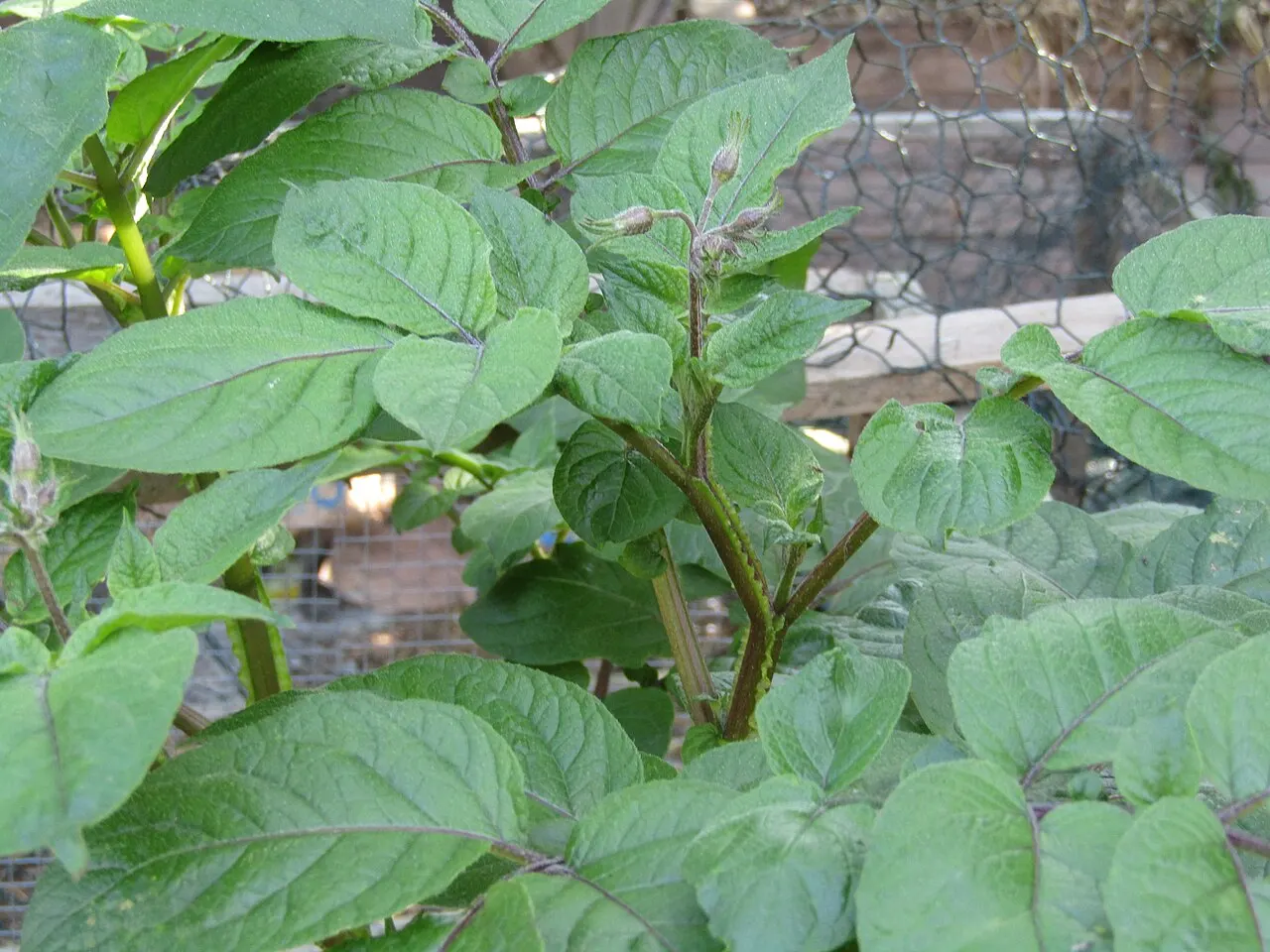
Once shoots appear, the RHS protects them on frosty nights with a cloche, hessian, straw or a covering of soil. Earthing up also shields young shoots from frost.
Chitting: what it is and who needs it
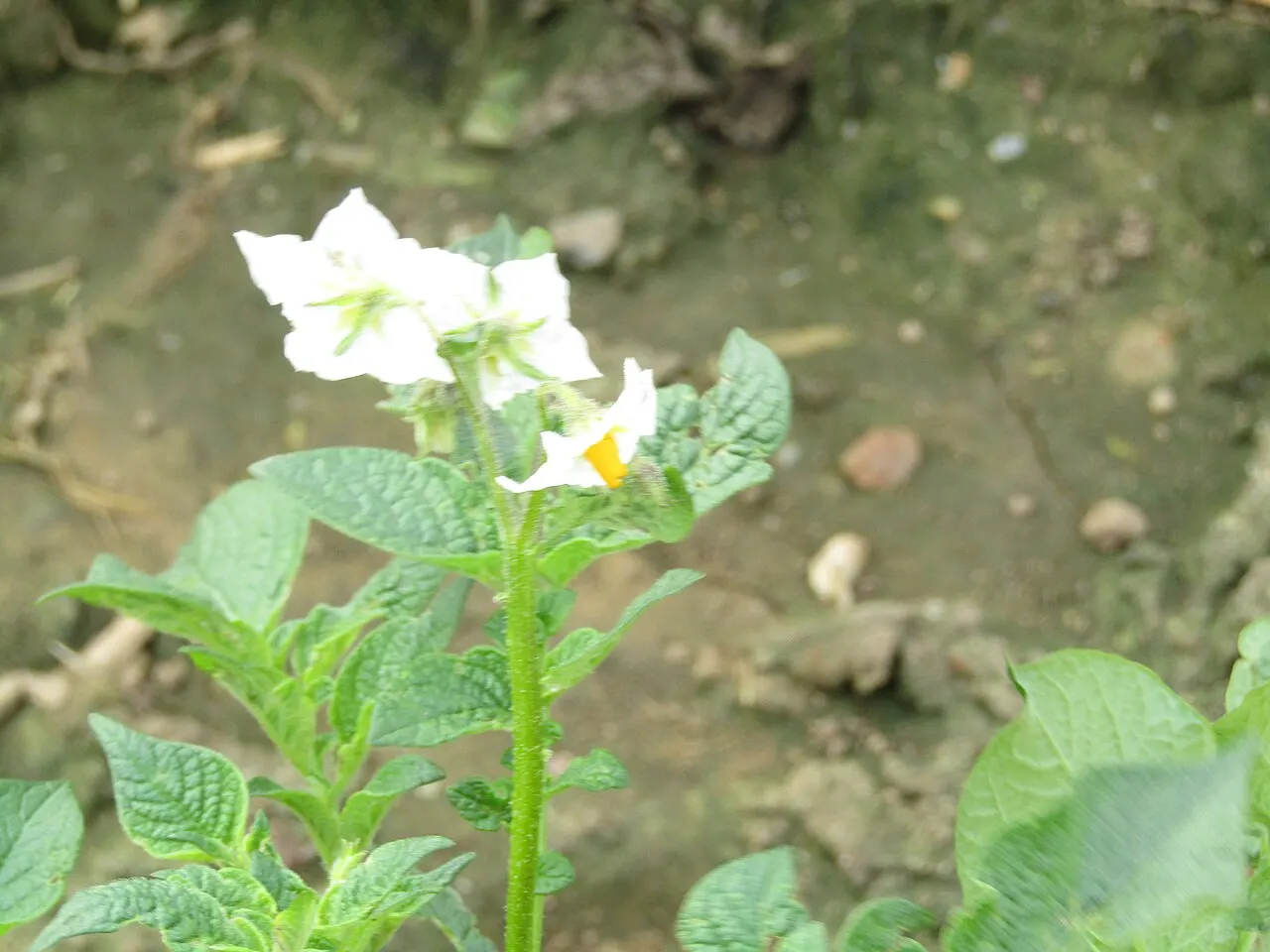

Chitting means letting seed potatoes grow short, sturdy shoots before planting. Garden Organic explains that it shortens the time from planting to harvest, and less time in the ground means less exposure to diseases.
Is it essential? Not for everything. The RHS says it is for early varieties only, and that maincrops do not need it because they grow over a much longer period. Garden Organic agrees that chitting is not essential except for early varieties, and calls it essential for very early varieties if you want the earliest possible harvest. It also notes that commercial growers do not chit, and that chitting seems to make little difference to their yields.
When to start. The RHS starts chitting in late January in milder areas, up to early March in colder ones, and says it takes four to six weeks. Garden Organic chits in January and also gives four to six weeks.
How to chit seed potatoes
Stand the tubers in egg boxes or trays with the end that has most buds (the rose end) facing up. Garden Organic says the narrow heel end, where the tuber was attached to the plant, goes down.
Light, cool and frost-free. Garden Organic advises chitting in daylight, ideally on a north-facing windowsill, away from radiators, which can make the tubers shrivel. In a dark corner the shoots grow long, white and weak. The RHS says a bright, frost-free spot.
How long should the shoots be? The RHS aims for shoots about 5 cm long, within six weeks. A Garden Organic article from 2023 says potatoes are ready to plant when the shoots are about 2 cm. Plant before the shoots grow so long that they break off.
How many shoots? For big baking potatoes, Garden Organic rubs off all but the three or four largest shoots once they are 1–2 cm long. BBC Gardeners' World says seed potatoes need only one or two shoots.
Buy the right seed potatoes
Garden Organic recommends buying certified seed potatoes, free of viruses and diseases, fresh each year. Do not plant potatoes from the supermarket: they are not certified and could bring potato diseases into your soil. The RHS also recommends certified virus-free seed potatoes.
Store the seed tubers somewhere cool and dark until you start chitting, says Garden Organic. Check them for mould or rot first. Wrinkles are fine.
Planting depth and spacing
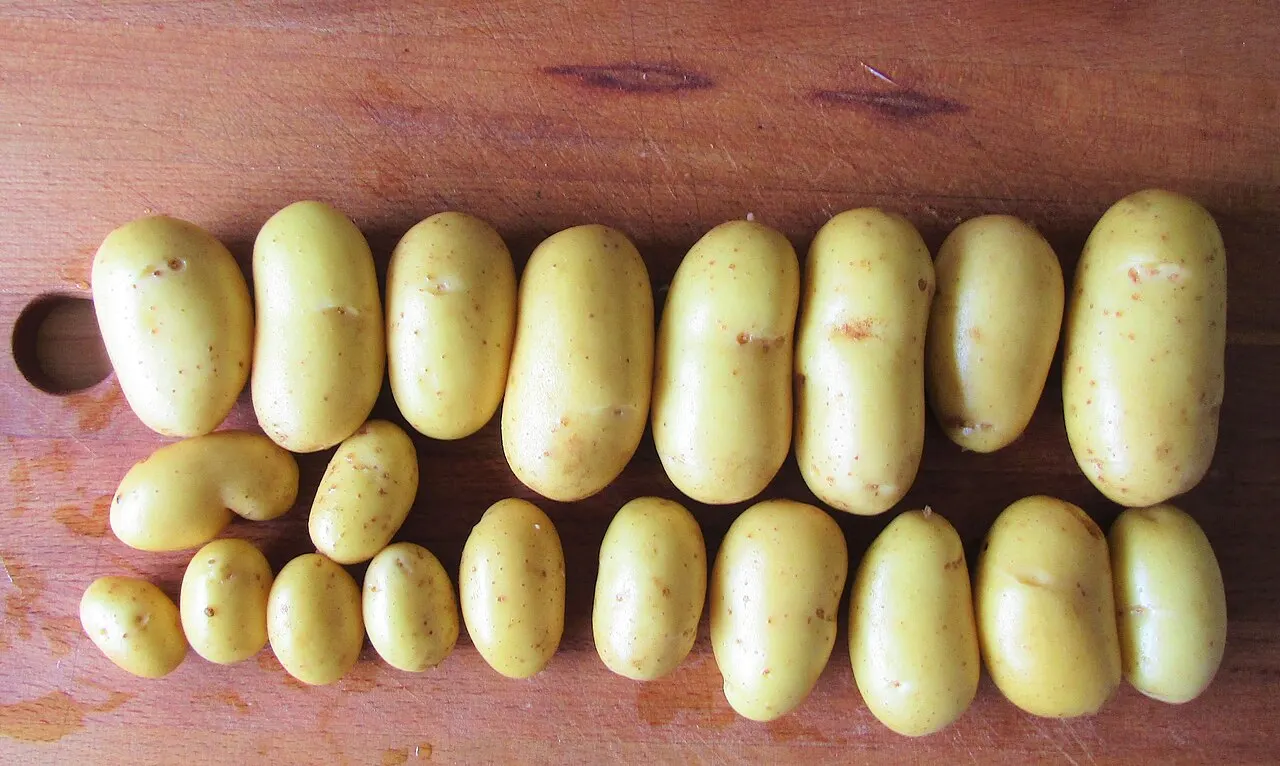

The RHS digs a trench 15 cm deep and sets the potatoes in it with the sprouts facing up. Garden Organic also plants 15 cm deep, rose end up.
Earlies and second earlies: the RHS spaces them 30 cm apart in rows 60 cm apart. Garden Organic uses about 30 cm in rows 50–60 cm apart.
Maincrops: the RHS spaces them 37 cm apart in rows 75 cm apart. Garden Organic uses 40 cm in rows 70 cm apart.
Prepare the ground well. The RHS digs in garden compost or well-rotted manure, ideally the autumn or winter before. Garden Organic aims for a pH of around 6.5 or lower and leaves at least four years before growing potatoes in the same ground again.
How to look after the plants, from earthing up to storing the crop, is covered in How to grow potatoes.
Potatoes in pots, and a crop for Christmas
Early varieties suit containers best, says the RHS. Use a container at least 30 cm wide and deep, half filled with 15 cm of peat-free compost, and plant one seed potato per 30 cm of pot width, just below the surface. Add more compost as the stems grow.
With a frost-free greenhouse you can start even earlier. The RHS plants chitted early varieties in large containers from early March for a crop by mid May. For a Christmas crop it plants cold-stored tubers in a container indoors in July or early August.
Cheat sheet: planting potatoes
| Type | Plant | Spacing | Lift |
|---|---|---|---|
| First earlies | Late March (Garden Organic: mid to late March) | 30 cm apart, rows 60 cm apart | June and July |
| Second earlies | Early to mid April | 30 cm apart, rows 60 cm apart | July and August |
| Maincrops | Mid April to early May | 37 cm apart, rows 75 cm apart (Garden Organic: 40 and 70 cm) | Late August to October |
How to do it
- Buy certified seed potatoes in late winter and keep them somewhere cool and dark until you chit them.
- Stand early varieties in egg boxes or trays with the end that has most eyes facing up.
- Keep them in a cool, light, frost-free place, such as a north-facing windowsill, for four to six weeks.
- Plant when the soil has reached about 6 °C: first earlies in late March, second earlies in early to mid April, maincrops from mid April to early May.
- Dig a trench about 15 cm deep and set the potatoes in it with the shoots pointing up, then cover them.
- Earth up as the shoots grow, and on frosty nights cover them with a cloche, hessian, straw or soil.
Common questions
Is it too early to plant potatoes in March?
Not for first earlies. The RHS plants them in late March and Garden Organic from mid to late March. In the north and east, wait until the soil is at least 6 °C.
Can I plant potatoes in May?
Yes, maincrops. The RHS plants them from mid April to early May, and BBC Gardeners' World in late April or early May.
Do I have to chit potatoes?
Only early varieties really benefit. The RHS and Garden Organic both say maincrops do not need chitting.
Should potatoes chit in the light or the dark?
In the light. Garden Organic advises a cool, light, frost-free spot. In the dark the shoots become long, white and weak.
How long does chitting take?
Four to six weeks, according to both the RHS and Garden Organic.
Sources
We wrote this page using the sources below.
- How to grow potatoes, Royal Horticultural Society (RHS)
- Potatoes (growing guide), Garden Organic
- It's time to chit your potatoes!, Garden Organic, 2023
- Chitting potatoes: in the light or dark? (FAQ), Garden Organic
- How to grow potatoes, BBC Gardeners' World Magazine, 2026
- Why frost can still occur in late spring, Met Office, 2026