
 Courgettes Growing and care
How to grow courgettes
Two or three courgette plants can keep a family in fruit all summer. The secret is steady water, plenty of space and picking them small.
In short
Sow courgettes indoors in April or May at about 20 °C and plant them out after the last frost, usually from late May, 90 cm apart in rich soil. Keep the soil moist, water at the base and pick the fruit regularly while small, at about 10 cm long.
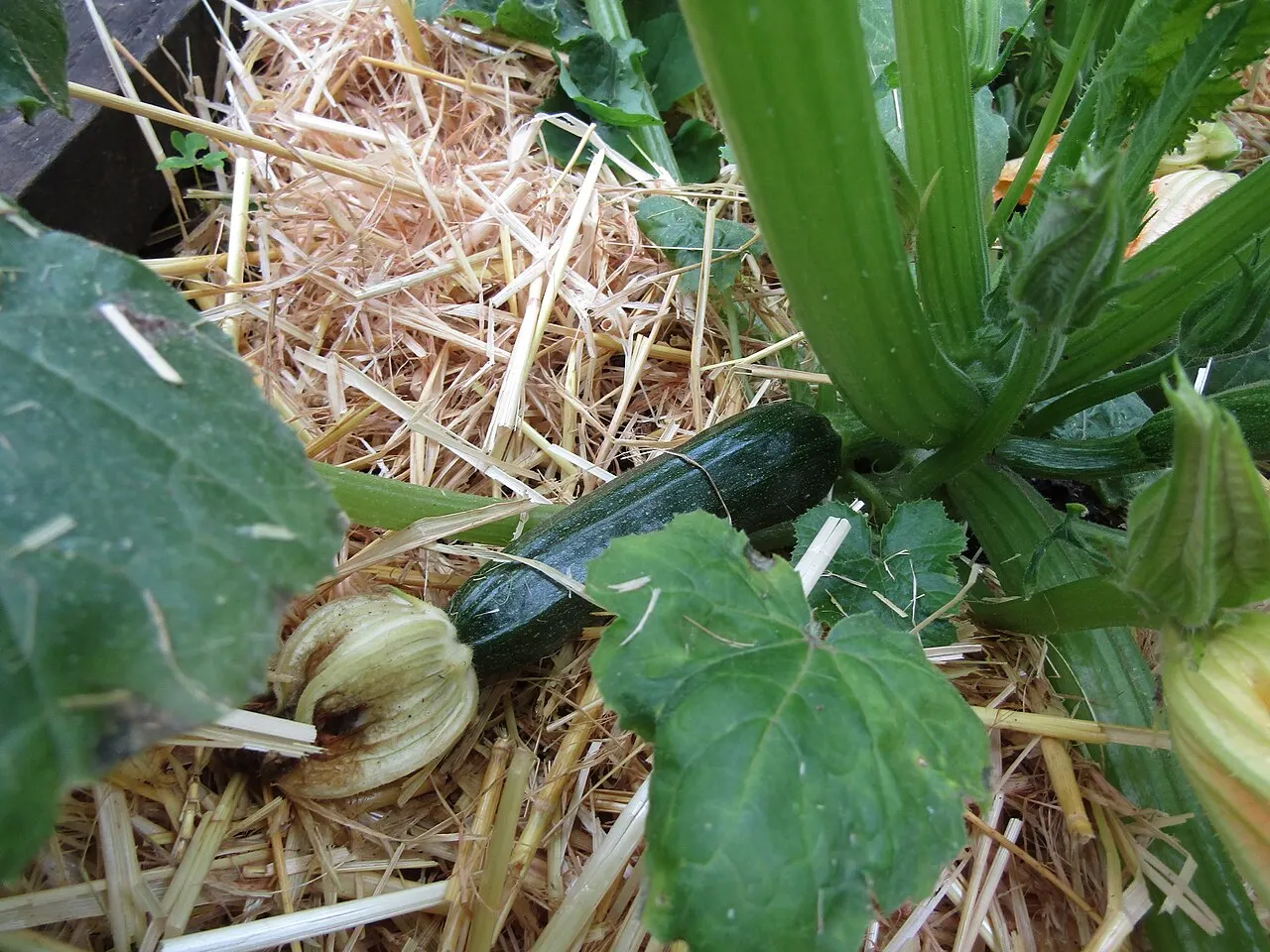

Courgettes at a glance
- Spacing
- 90 cm between rows, 90 cm apart in the row, about 1 m² per plant (RHS, BBC Gardeners' World)
- Sow
- Indoors in April or May
- Plant
- After the last frost, usually from late May
- Harvest
- July to October
- Watering
- Constantly moist, at the base of the plant
- Difficulty
- Easy
Courgettes: what to do and when
Under cover and outdoors, for UK conditions. The weather differs from year to year and from north to south, so check your local conditions too.
When to sow courgettes
Courgettes are tender. They need warmth to germinate and cannot go outside until the frosts are over. That is why most UK growers start them indoors.
BBC Gardeners' World sows indoors in April or May. The RHS growing guide sows in April or early May for an earlier crop or in colder areas, and an RHS feature on courgettes gives mid April to mid May. The seeds need warmth: the RHS gives 18–21 °C, BBC Gardeners' World germinates them at 20 °C in a propagator or covered tray.
Sow seeds on their side. The RHS sows them 1.3 cm deep in 7.5 cm pots or modules of peat-free seed compost. BBC Gardeners' World presses a couple of seeds in about 2.5 cm deep, covers them with compost or vermiculite and keeps the stronger seedling. The RHS feature says seedlings usually appear within a week.
You can also sow straight outside in late May or early June, once the soil has warmed. The RHS sows two or three seeds per spot, 2.5 cm deep and 90 cm apart, under a cloche or fleece, then keeps only the strongest seedling. BBC Gardeners' World says outdoor sowing gives a later crop.
Planting out after the frost
BBC Gardeners' World plants courgettes out from May to June, once all risk of frost has passed, which is usually from late May. The RHS plants in early summer, after hardening off, once the soil has warmed.
Where you live makes a difference. The Met Office says the average last air frost in southern and coastal areas usually comes before the end of April. Further north and on higher ground it often runs well into May, and in a few places into June.
Watch out for clear, calm nights in May. The Met Office notes that ground frost is more common than air frost in May, and it can damage tender plants even when the thermometer stays just above freezing.
Space and soil
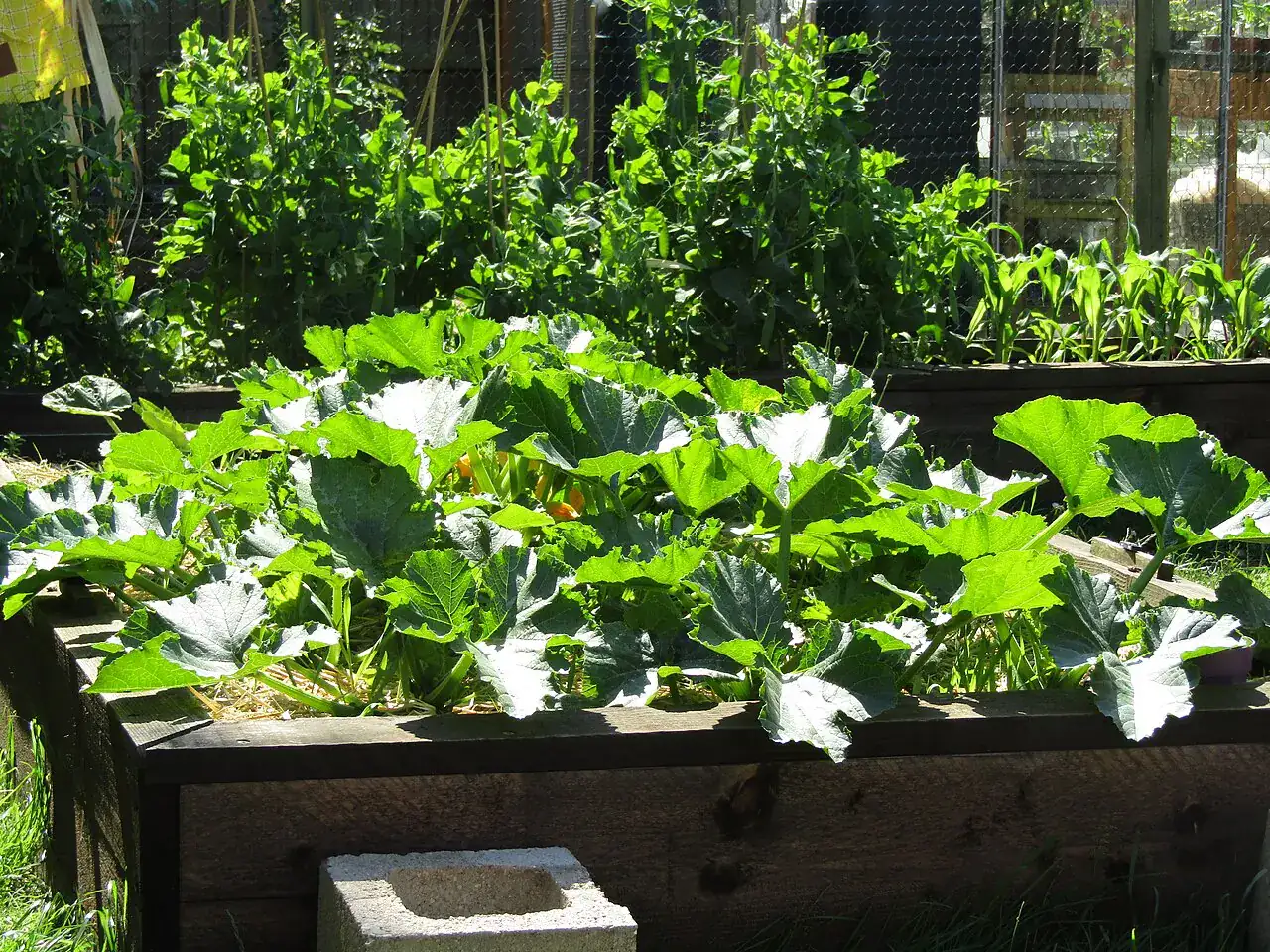

Courgettes are big plants. Both the RHS and BBC Gardeners' World give each plant about one square metre of ground and space them at least 90 cm apart. BBC Gardeners' World adds that the plant spreads about 1 m by 1 m above ground and has an extensive root system below.
Prepare the soil well. The RHS digs in garden compost or well-rotted manure over an area about the depth and width of a spade blade, ideally a few weeks before planting. On no-dig beds, it mulches at least 5 cm thick between November and February, so the bed is ready by spring.
How many plants? The RHS feature says one or two plants are usually enough for an average household. BBC Gardeners' World says two or three will feed a family, with some left over for friends.
Watering: the key to success
BBC Gardeners' World calls constant moisture the key to success with courgettes. The RHS agrees: keep the soil consistently moist, and expect to water pots daily in hot weather.
How you water matters too. The RHS waters around the base of the plant, not over the leaves, to cut the risk of fungal disease. A handy trick from the RHS is to sink a 15 cm pot into the soil beside each plant and pour the water into it, so it goes straight down to the roots. Use rainwater where you can and water in the morning or evening.
Mulch helps hold the water in. BBC Gardeners' World mulches thickly. The RHS also mulches, but leaves a gap around the base of the stem to prevent rot.
Feeding
Our sources differ here. BBC Gardeners' World feeds courgettes weekly with a high potash feed, such as tomato feed, once the flowers appear. The RHS says plants in the ground generally do not need feeding unless the soil is poor, and feeds plants in containers every 10–14 days with a high potash liquid feed once the first fruits swell.
In practice, plants in rich, well manured soil may need little extra. Plants in pots and growing bags need regular feeding. BBC Gardeners' World says yellowing leaves on container plants usually point to a lack of nutrients.
Flowers, pollination and fruit that rots
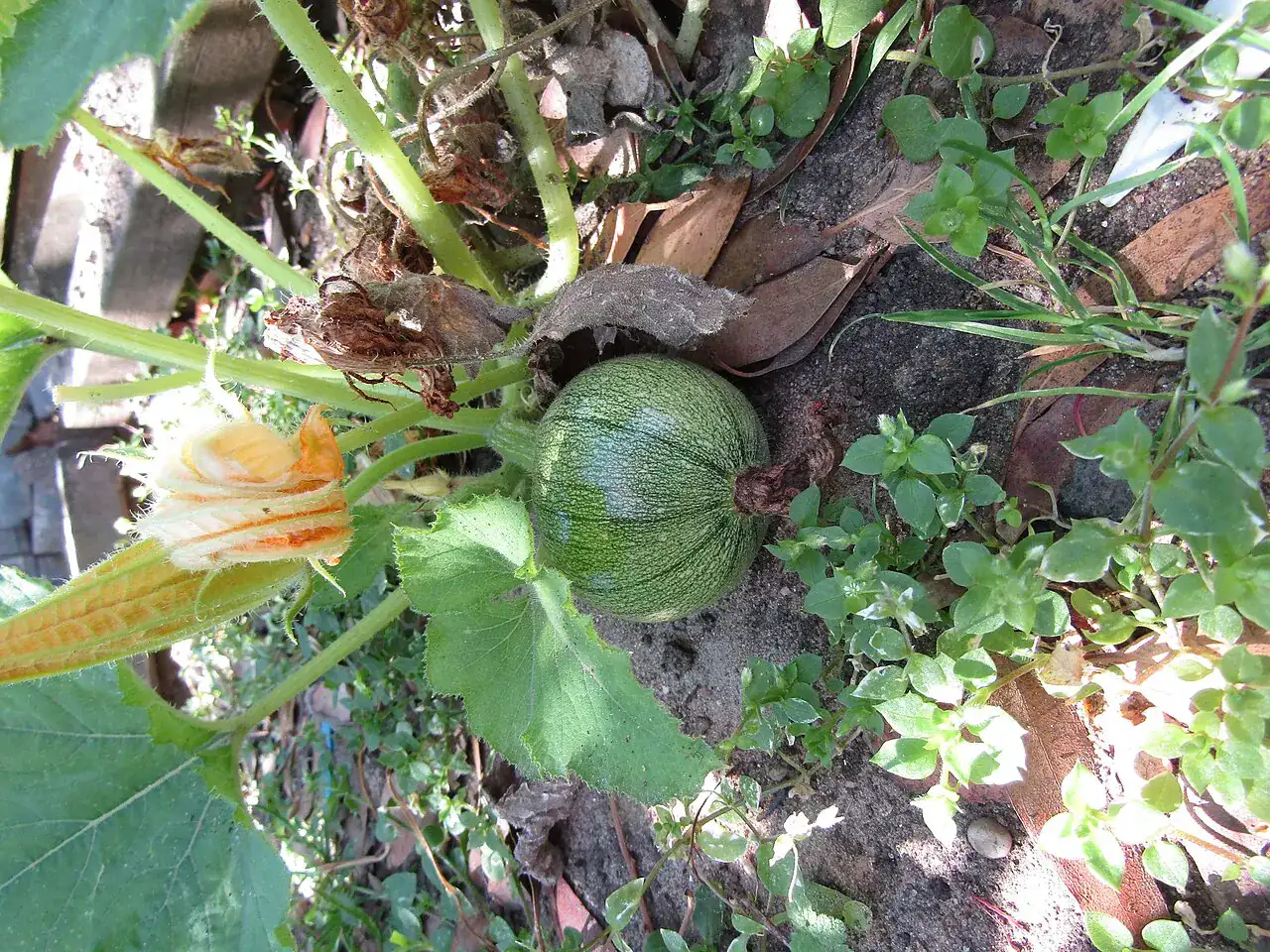

Courgettes have separate male and female flowers. The RHS feature explains that female flowers have a swelling at the base, which is the baby fruit, while male flowers do not.
In cool weather, the RHS says, plants may produce no fruit, or the fruits rot when very small. The cause is poor pollination in cool weather, and it should sort itself out once the weather improves. The RHS feature says hand pollinating can improve early fruit set when poor weather keeps insects away.
Rotting fruit in damp weather often starts at the faded flower, BBC Gardeners' World says. Never water from above, and remove soggy flowers. The flowers are edible too. BBC Gardeners' World notes that male flowers are a delicacy in many Mediterranean countries, stuffed and baked or fried. The RHS says you can pick male flowers and leave the female ones, so you do not lose fruit.
When and how to pick
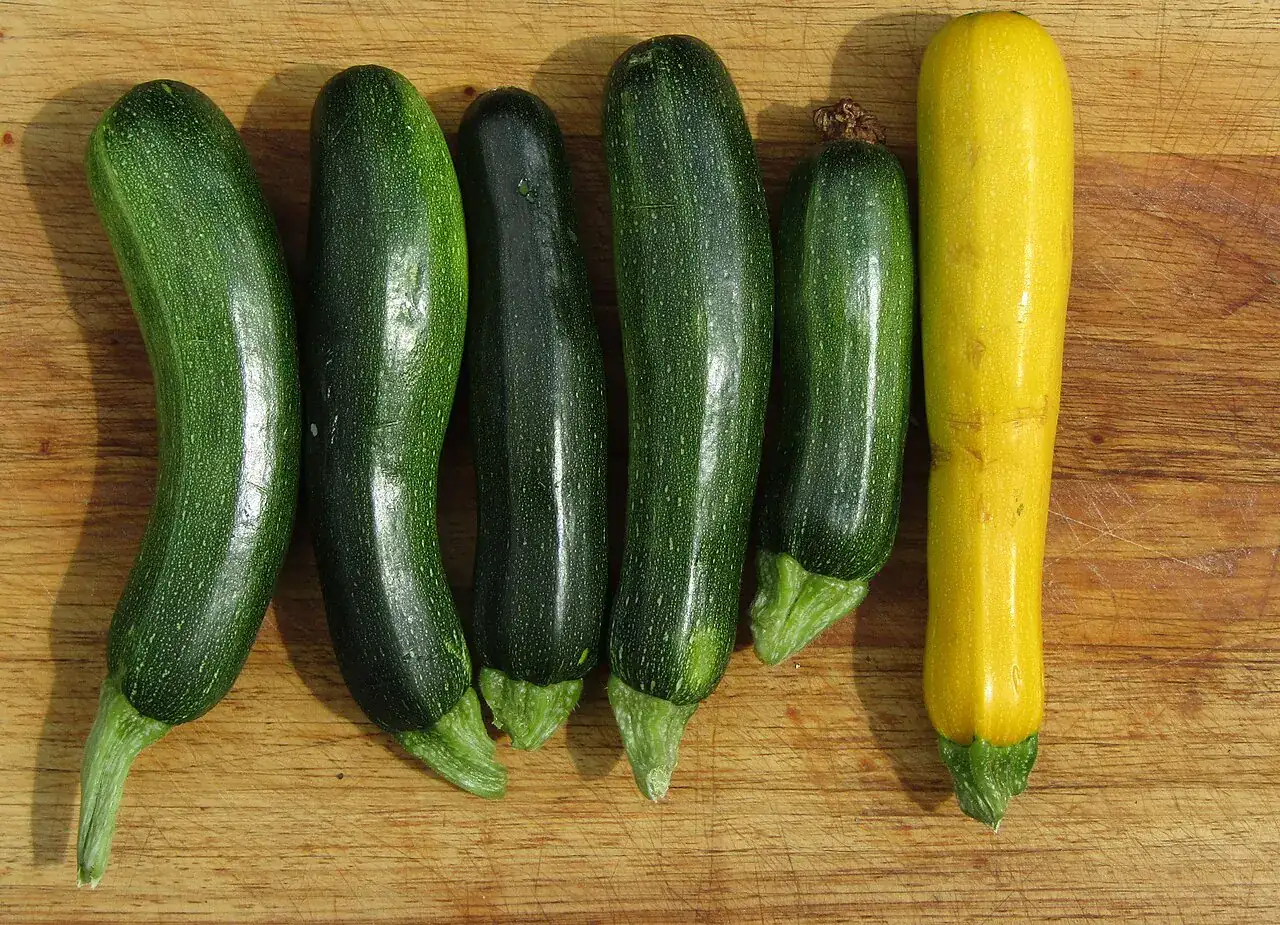

Pick little and often. BBC Gardeners' World picks courgettes at about 10 cm long and says bigger fruit reduces the plant's vigour. The RHS growing guide picks at 10–12.5 cm. An RHS feature gives a larger size of 15–20 cm, so sources differ, but all agree that small fruit tastes best.
In good weather the RHS expects three or four fruits a week from each plant. BBC Gardeners' World gives an average yield of 4.5 kg per 3 m row. Cut the fruit with a sharp knife or twist the stalk sharply.
Do not leave fruit on the plant. The RHS says unpicked courgettes quickly grow into marrows, and the plant then crops for a shorter time and gives a much smaller total yield. BBC Gardeners' World gives the harvest as July to October.
Powdery mildew, slugs and other problems
Powdery mildew is the most common late season problem. The RHS feature says it usually appears late in the season and does not normally stop cropping. The RHS growing guide says to avoid wetting the leaves and to remove affected ones. The RHS feature suggests 'Tuscany' F1 and 'Best of British' F1 as mildew resistant varieties.
Slugs and snails are a real threat: BBC Gardeners' World says young plants are extremely vulnerable, and the RHS says seedlings are most at risk in damp conditions. Grey mould is a very common disease that causes a soft decay, the RHS says. BBC Gardeners' World cuts out affected areas, clears dead growth from the ground and avoids splashing the leaves. If you use any product, use only products authorised in the UK, used as the label says.
Courgettes grow in pots too. The RHS uses a pot at least 45 cm wide, or one or two compact plants per growing bag. BBC Gardeners' World suggests the compact variety 'Venus' for patios. For a close relative with similar needs, see our guide to growing cucumbers.
Cheat sheet: growing courgettes
| What | Advice |
|---|---|
| Sow indoors | April or May, seed on its side, 18–21 °C |
| Plant out | After the last frost, usually from late May |
| Spacing | At least 90 cm apart, about 1 m² per plant |
| Pots | At least 45 cm wide (BBC Gardeners' World: and 45 cm high) |
| Watering | Keep the soil constantly moist, water at the base |
| Feeding | High potash feed weekly once flowers appear (RHS: every 10–14 days in pots) |
| Pick at | About 10 cm (RHS: 10–12.5 cm) |
| Yield | Three or four fruits per plant a week at the peak |
How to do it
- Sow one or two seeds on their side in small pots of peat-free compost, about 1.3–2.5 cm deep, at about 20 °C.
- Pot on the strongest seedlings and keep them in a bright, frost-free place.
- Harden the plants off and plant them out after the last frost, at least 90 cm apart in soil enriched with compost or manure.
- Sink a small pot next to each plant and water into it, so the water goes straight to the roots.
- Mulch around the plant, leaving a gap at the stem, and keep the soil moist all summer.
- Pick the fruit regularly when it is about 10 cm long.
Common questions
When should I plant courgettes outside in the UK?
After the last frost, usually from late May, says BBC Gardeners' World. The RHS plants out in early summer once the soil has warmed.
How far apart should courgettes be planted?
At least 90 cm apart, with about one square metre per plant, according to the RHS and BBC Gardeners' World.
Why are my courgettes rotting at the end?
In cool weather the first fruits are often poorly pollinated and rot, says the RHS. It usually stops when the weather warms. In damp weather, remove soggy flowers and avoid watering from above.
Why is my courgette plant flowering but not fruiting?
BBC Gardeners' World says dry plants produce mainly male flowers. Water generously and regularly to encourage female flowers.
How many courgette plants do I need?
The RHS says one or two for an average household. BBC Gardeners' World says two or three will feed a family.
Sources
We wrote this page using the sources below.
- How to grow courgettes, Royal Horticultural Society (RHS)
- Fascinating facts and figures: courgettes, Royal Horticultural Society (RHS)
- Courgettes grow guide, BBC Gardeners' World Magazine, 2024
- Why frost can still occur in late spring, Met Office, 2026