
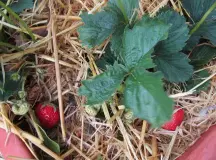
 Strawberries Diseases and pests
Strawberry diseases and pests
Berries going soft and furry, leaves curling up or plants wilting in their pots? Compare the signs and see what UK sources advise.
In short
The RHS calls grey mould a very common strawberry disease. It makes the berries go soft and brown, often as they ripen. Keep water off the crown and fruit, water in the morning, put dry straw under the fruit and replace the bed every three or four years.
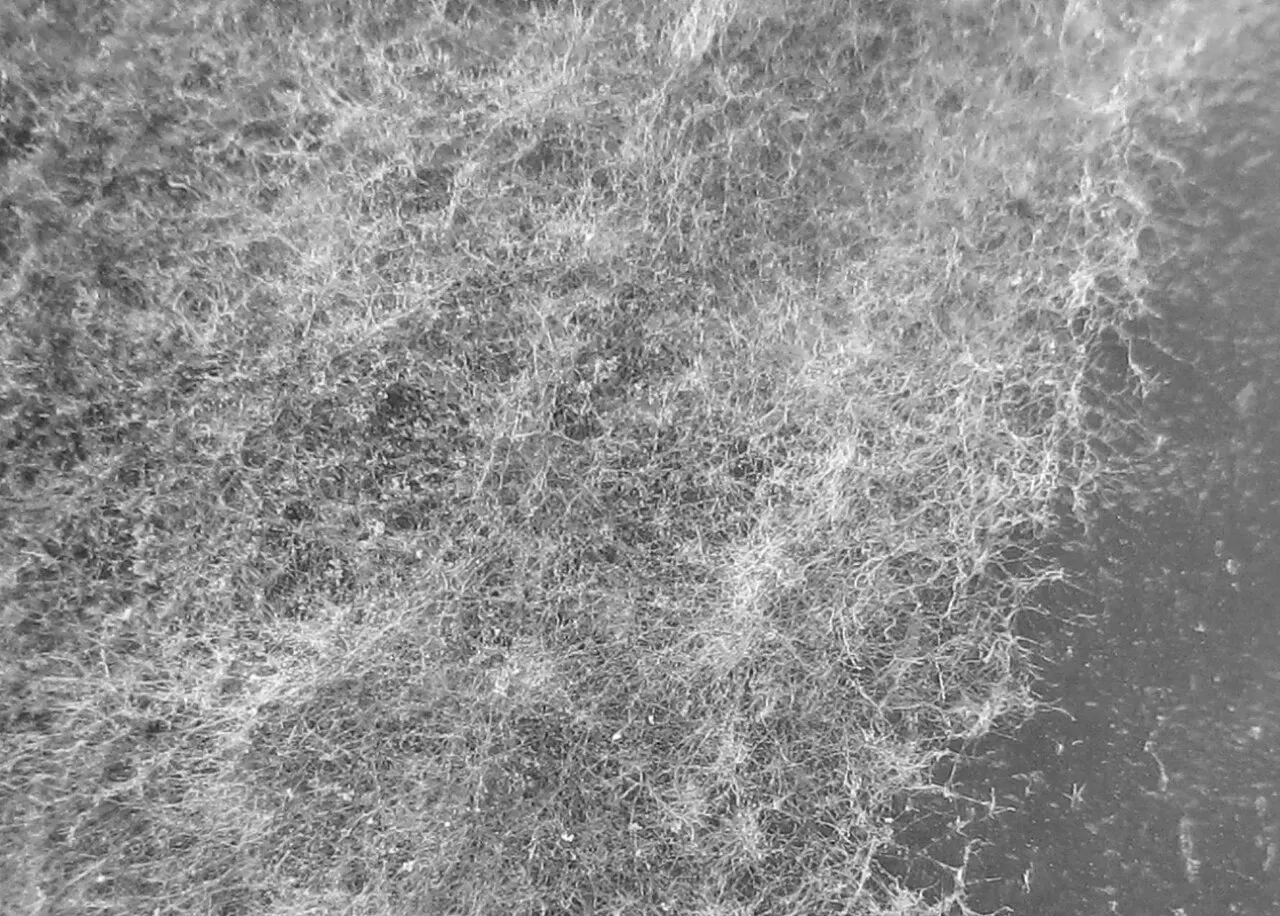
What problem can you see?
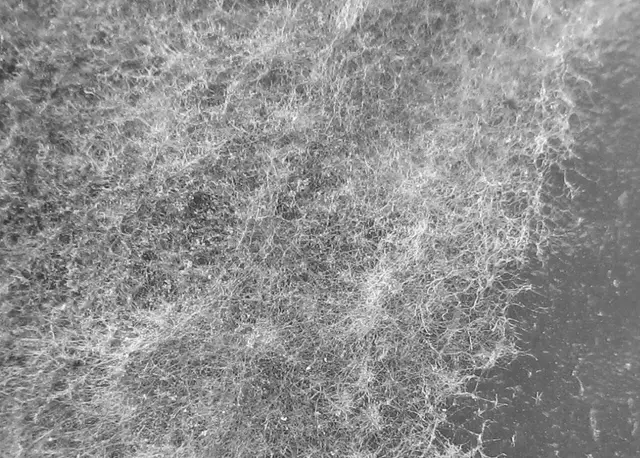
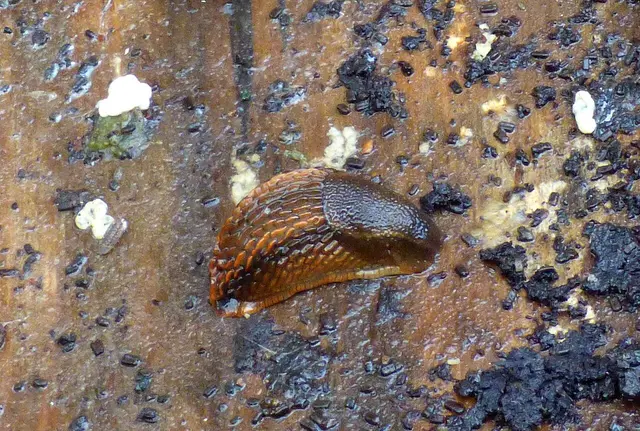

Why strawberries rot: grey mould up close
Grey mould, caused by *Botrytis cinerea*, is the classic strawberry rot. The RHS calls it a very common disease that causes a soft decay of plant tissue.
Why it shows late. The RHS grey mould guide explains a trick of the fungus. It gets into the flowers and colonises the developing fruit, but does not rot it until ripening raises the sugar content. The RHS says this is very noticeable with strawberries. So the infection often starts weeks before you see it.
What favours it. High humidity, overcrowded plants and poor ventilation. Plants that are stressed or wounded are more vulnerable, though healthy plants can be infected too. Airborne spores are always about, and the fungus survives on dead plant material and as small black resting bodies.
What helps. The RHS strawberry guide keeps water off the crown and fruit and waters in the morning, so any splashes dry in the day. Dry straw under the forming fruit keeps berries off damp ground. Mulch should not touch the crown, which can rot, so leave a small gap. The RHS grey mould guide removes dead and dying leaves and flowers promptly and bags them as it goes. The RHS says no fungicides are approved for use against grey mould by gardeners.
Powdery mildew: what the commercial advice says
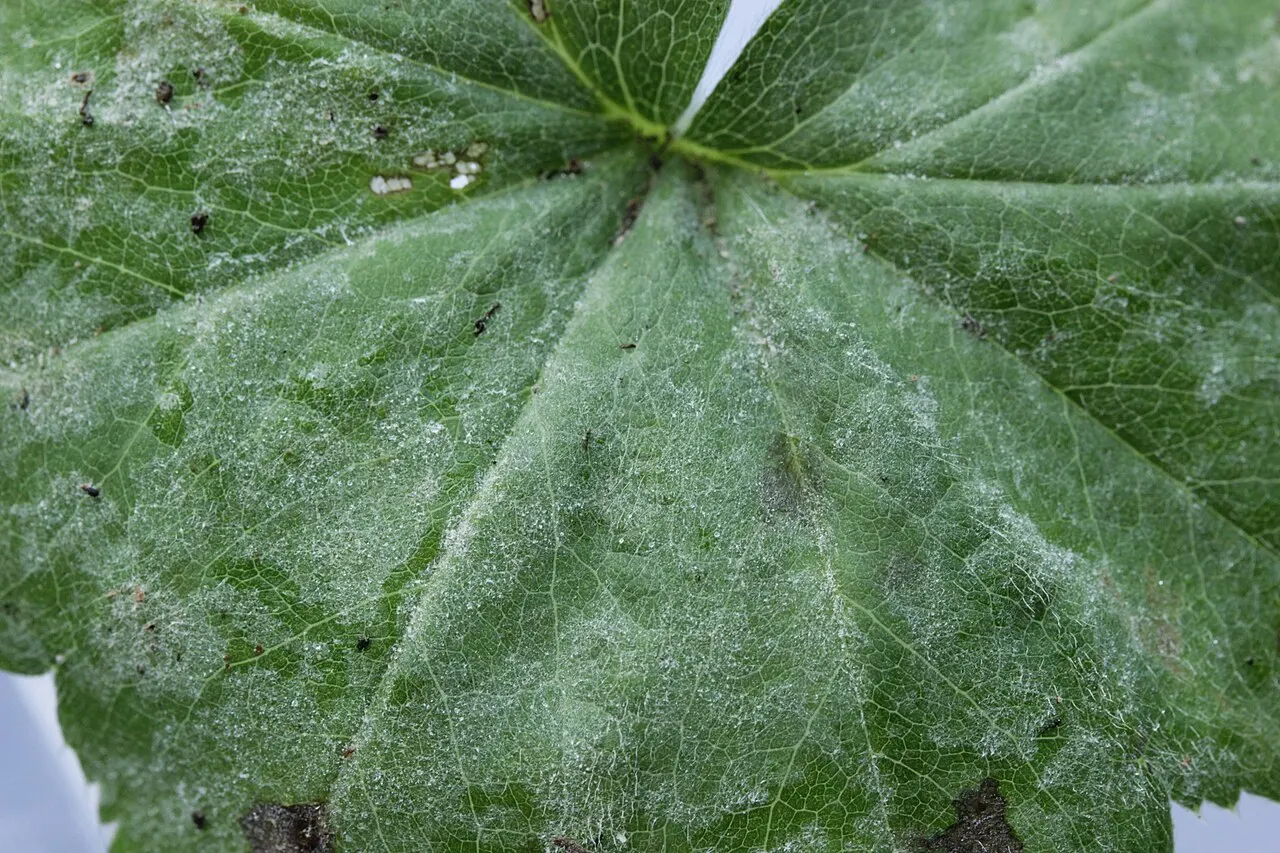

The RHS strawberry guide does not cover powdery mildew. The detailed UK information comes from AHDB, which advises commercial growers, mostly with crops under tunnels. Read its advice with that in mind.
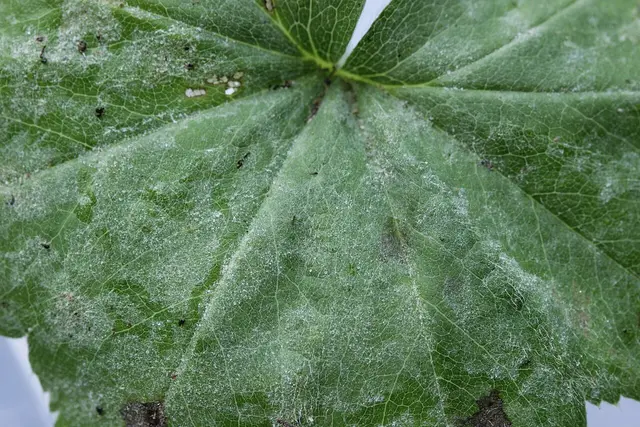
AHDB names the fungus *Podosphaera aphanis*. Its factsheet says the first warning sign is leaves that cup or curl upwards and stay curled for 24 hours or more, still visible early in the morning. Dark red blotches may follow, depending on the variety. White growth appears first on the underside of the leaves, then on top, and can spread to flower buds and to ripe and unripe fruit.
The fungus overwinters on crop debris and old leaves, says AHDB, and up to 70% of young plants can carry small colonies. In new crops, it says, the infection often starts during propagation. Hot, humid air under closed tunnels speeds it up.
AHDB's cultural measures for growers are resistant varieties, avoiding excessive feeding and watering, removing old debris from second and third year crops in spring and, under cover, venting to keep humidity below 75%.
Keep the bed young and on the move
Several strawberry problems live in the soil or build up in old plants. The RHS answer is to renew the bed.
Spacing. Plant 35–40 cm apart in rows about 75 cm apart. In containers the RHS spaces plants about 20 cm apart.
Renewing. A bed usually stays healthy for up to four years in well-drained, fertile soil, the RHS says. Replant every three or four years to avoid disease build-up, and make the new bed in a different spot to avoid replant disorder. The RHS strawberry guide also names verticillium wilt, a soil-borne fungal disease that enters through the roots, and says several viruses infect strawberries, causing poor vigour and low yield. It gives no cure for either.
After cropping. Cut the old leaves of summer-fruiting plants about 10 cm above the crown, so new leaves can grow. On perpetual strawberries, remove only dead, damaged or diseased leaves at the end of the season.
How to plant and look after a new bed is on our pages when to plant strawberries and how to grow strawberries.
Strawberries in pots: watch for vine weevil
Growing in containers reduces slug and snail damage to the fruit, but the RHS says vine weevil grubs are particularly fond of strawberries and a bigger threat in pots.
The adults are dull black beetles about 9 mm long that cannot fly and feed at night, notching leaf edges. The grubs live among the roots. Most plant losses happen from September to March.
What to do. On mild spring or summer evenings, check plants by torchlight and pick off the adults. Repot container plants to remove grubs. For biological control, the RHS lists nematodes applied in August or early September. *Steinernema* species need a soil temperature of 5–20 °C and *Heterorhabditis* species 12–20 °C. They work best in light soils and open composts.
Slugs, birds and fruit flies
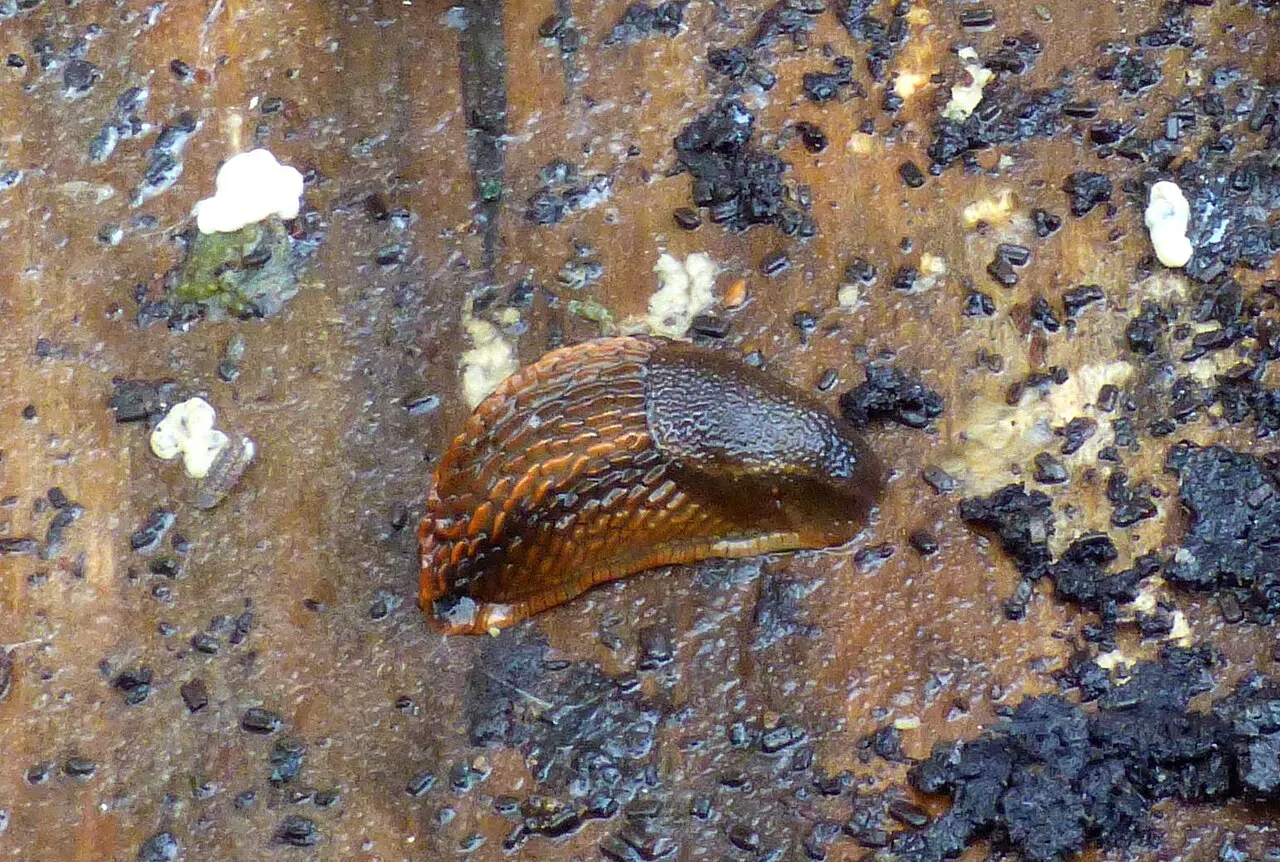

Slugs and snails are drawn to damp straw, the RHS says, so remove the straw in autumn. Our page how to get rid of slugs covers what works.
Birds and squirrels. Before the berries ripen, cover the plants with taut, secure netting. Chicken wire deters squirrels. Remove the protection after harvest, or grow strawberries in a fruit cage.
Spotted wing drosophila is a fruit fly that can damage unblemished soft fruit, including strawberries. Look for collapsing fruit or tiny puncture holes. Pick fruit as it ripens, clear overripe and fallen fruit, and never compost infested fruit. Insect-proof mesh finer than 0.98 mm keeps it out once fruit has set.
The RHS also lists frost damage, known as black eye, fruit aphids and phyllody among strawberry problems.
What about sprays?
The RHS says it doesn't support the use of pesticides and encourages non-chemical methods. If chemical controls are used, it says they should be a last resort, used in a minimal, highly targeted way.
Only pesticides approved for home gardeners are legal to buy, and following the label is a legal requirement. The RHS advises against household products such as vinegar or washing-up liquid as pesticides.
For grey mould, the most common strawberry rot, the RHS says no fungicides are approved for use by gardeners.
Quick check by symptom
| What you see | Likely cause |
|---|---|
| Soft brown rot on the berries, fuzzy grey mould | Grey mould (botrytis) |
| Leaves cup or curl upwards, white growth on the underside | Powdery mildew |
| Weak plants with a poor crop and odd symptoms | Viruses |
| Plants in pots wilt and die, white C-shaped grubs among the roots | Vine weevil |
| Notches eaten in the leaf edges | Adult vine weevils |
| Fruit damaged by slugs and snails, which are drawn to damp straw | Slugs and snails |
| Soft, collapsing berries with tiny puncture holes | Spotted wing drosophila |
Grey mould (botrytis)
- How to spot it
- A soft brown decay of the berries, often as they ripen, with fuzzy grey brown mould in humid weather. Small black, seed-like resting bodies can form on infected material.
- What causes it
- The fungus Botrytis cinerea. The RHS says it enters the flowers and sits in the developing fruit without rotting it until ripening raises the sugar content. High humidity, crowded plants and poor ventilation favour it.
- What to do
- Remove dead and dying leaves and flowers, and affected material, promptly. Bag them as you take them off, because the spores scatter easily. The RHS says no fungicides are approved for use against grey mould by gardeners.
- How to prevent it
- Avoid wetting the crown or fruit and water in the morning, so splashed plants dry during the day. Lay dry straw under the forming fruit and remove it in autumn.
Strawberry powdery mildew
- How to spot it
- In AHDB's description for commercial growers, leaves cup or curl upwards soon after infection and may get dark red blotches, depending on the variety. White fungal growth shows first under the leaves, then on top. It can spread to flower buds and fruit.
- What causes it
- The fungus Podosphaera aphanis. AHDB says it overwinters on crop debris and old leaves, and in new crops the infection often starts during propagation. Under closed tunnels, hot and humid conditions help it spread.
- What to do
- AHDB's commercial advice is to remove old debris and leaves from second and third year crops in spring, to cut the infection that overwinters.
- How to prevent it
- AHDB advises commercial growers to choose resistant varieties and avoid excessive feeding and watering, which create dense, humid foliage. Under tunnels it aims to vent so the air stays below 75% relative humidity.
Strawberry viruses
- How to spot it
- The RHS says several viruses infect strawberries, causing a wide range of symptoms that result in poor vigour and low yield.
- What to do
- The RHS strawberry guide gives no cure.
- How to prevent it
- Replace the bed every three or four years.
Vine weevil
- How to spot it
- Adult weevils notch the leaf edges. The grubs eat the roots, and plants can wilt and die. Grubs are plump, white, legless and C-shaped, up to 10 mm long, with a light brown head.
- What causes it
- Otiorhynchus sulcatus. The RHS says plants in pots and containers suffer most, but heavy grub numbers can build up on strawberries in the ground too. Most losses happen from September to March.
- What to do
- On mild spring or summer evenings, pick adults off by torchlight. Repot container plants to remove grubs. Biological control with nematodes is applied in August or early September.
- How to prevent it
- Check plants for notched leaves. Encourage birds, frogs, toads, shrews, hedgehogs and ground and rove beetles.
Slugs and snails
- How to spot it
- Damage to the fruit. The RHS lists slugs and snails among strawberry pests and says damp straw attracts them.
- What to do
- Remove the straw in autumn. See our page on slugs for what works.
- How to prevent it
- Growing strawberries in containers reduces slug and snail damage to the fruit, the RHS says.
Spotted wing drosophila
- How to spot it
- Soft fruit collapses or shows small puncture holes. Small white larvae, 4 mm long, feed inside.
- What causes it
- Drosophila suzukii, a fruit fly whose females pierce unblemished fruit to lay eggs. Damage is most likely in warm, humid weather in summer and autumn.
- What to do
- Pick fruit when ripe and remove overripe, damaged and fallen fruit. Do not compost infested fruit. The RHS seals it in rubble sacks in full sun for several days.
- How to prevent it
- Cover plants with insect-proof mesh finer than 0.98 mm once the fruit has set. Pheromone traps help you monitor the fly.
Protection calendar
What to do and when, so you get fewer diseases and pests. Use only plant protection products authorised in the UK, as the label says.
- PlantingPlant 35–40 cm apart in rows about 75 cm apart, in a new spot every three or four years.
- As fruit formsLay dry straw around the plants, keeping it off the crown.
- Before the berries ripenPut taut, secure netting over the plants against birds. Chicken wire deters squirrels.
- Once the fruit has setWhere spotted wing drosophila is a problem, cover with insect-proof mesh.
- Picking timePick ripe fruit promptly and clear overripe, damaged and rotting fruit.
- After croppingCut the old leaves of summer-fruiting plants about 10 cm above the crown. On perpetuals remove only dead, damaged or diseased leaves.
- August or early SeptemberIf vine weevil is a problem, apply biological control with nematodes.
- AutumnRemove the straw, which encourages fungal disease, slugs and snails when damp.
Home remedies: what works
The internet is full of folk remedies. Here is what the sources say about them.
- WorksStraw under the berries
The RHS lays dry straw around plants when fruit forms to keep the berries off damp ground. It removes the straw in autumn, because damp straw encourages fungal disease, slugs and snails.
- Prevention onlyWatering in the morning
The RHS waters in the morning rather than the evening, so splashed plants dry during the day, and keeps water off the crown and fruit.
- WorksNematodes against vine weevil grubs
The RHS lists several nematode species as biological control for the grubs, applied in August or early September when the soil is warm enough. It says to use them with care, only for a specific problem, because they can infect other animals.
- Not studiedHousehold sprays
The RHS advises against using household products such as vinegar or washing-up liquid as pesticides. Homemade mixes often damage plants, soil and soil life.
Common questions
Why are my strawberries rotting on the plant?
Most often grey mould. The RHS says the fungus enters through the flowers and rots the fruit as it ripens. Keep water off the crown and fruit, water in the morning, put dry straw under the berries and clear dead and affected material promptly.
Why are my strawberry leaves curling up?
AHDB, which advises commercial growers, says upward cupping or curling leaves are the first sign of powdery mildew, followed by white growth under the leaves. Check the undersides.
How do I stop my strawberries going mouldy?
The RHS keeps water off the crown and fruit, waters in the morning, lays dry straw under the forming fruit and removes it in autumn. It also replaces plants every three or four years in a new spot.
What can I spray on strawberries for mould?
The RHS says no fungicides are approved for use against grey mould by gardeners. If you use any product for another problem, use only one approved for home gardeners in the UK and follow the label.
Why are my strawberry plants in pots dying?
Check the roots for white, C-shaped grubs. The RHS says vine weevil grubs are particularly fond of strawberries and are a bigger threat in containers. Most losses happen from September to March.
How often should I replace strawberry plants?
Every three or four years, the RHS says, in a new spot. A bed usually stays healthy for up to four years in well-drained, fertile soil.
How do I protect strawberries from birds?
Cover the plants with taut, secure netting before the berries ripen, the RHS says. Chicken wire deters squirrels. Remove the netting after harvest.
Sources
We wrote this page using the sources below.
- How to grow strawberries, Royal Horticultural Society (RHS)
- Grey mould, Royal Horticultural Society (RHS)
- Vine weevil, Royal Horticultural Society (RHS)
- Spotted wing drosophila, Royal Horticultural Society (RHS)
- Control of strawberry powdery mildew under protection (Factsheet 29/16), AHDB Horticulture, 2017
- Understanding and avoiding chemical use, Royal Horticultural Society (RHS)